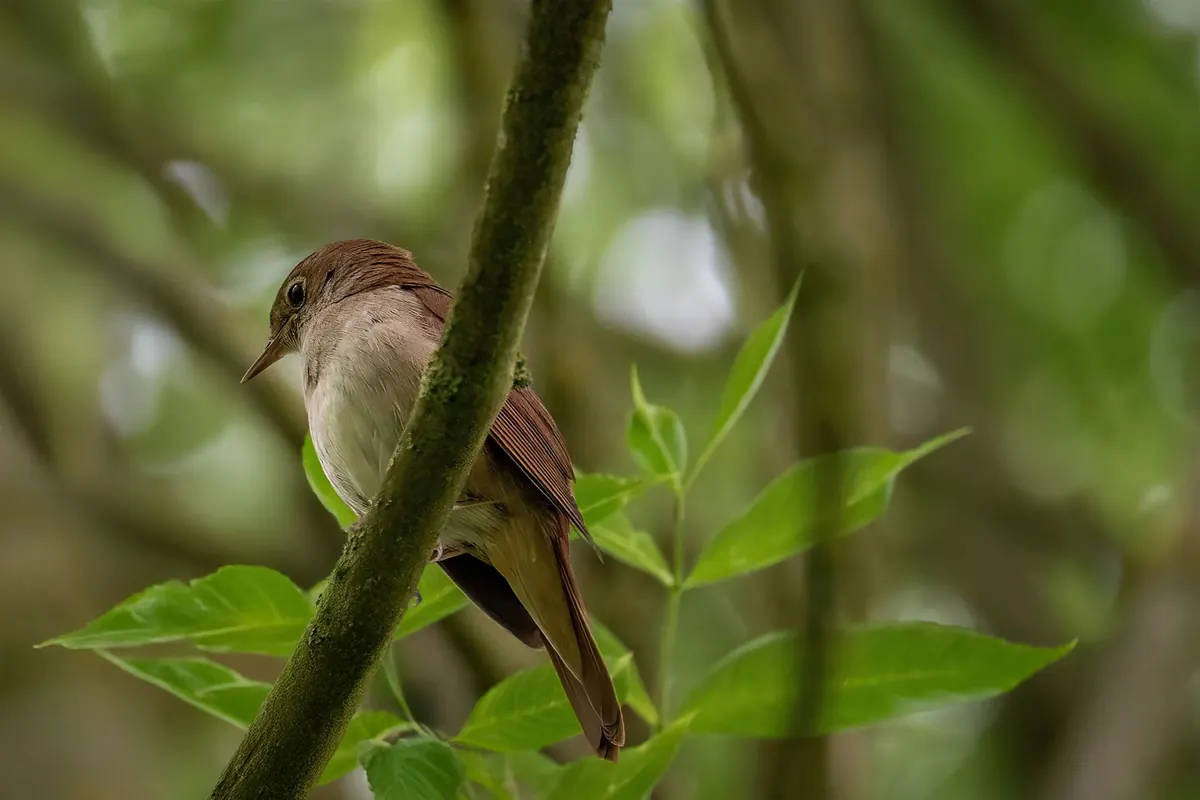
The nightingale is not much to look at. Brown, a little smaller than a sparrow, with a rusty tail and a habit of staying deep in cover, it gives no sign of what is coming until the light goes. Then it opens its throat and floods the dark with sound: whistles, trills, a long crescendo that seems to build on itself, a pause, then a new idea. Anyone who has stood at the edge of a wood in Occitanie in early May and heard that will understand why the troubadours kept coming back to this bird.
Troubadour song is a spring art. A great many cansos open with what scholars call a natureingang, a few lines setting the season before the poem turns to the poet's own condition: the flowers come out, the leaves return, the birds begin to sing, and the lover is either happy with everyone else or wretched in the middle of all that joy. Those opening lines need a bird, and they need a bird whose arrival can be dated.
The nightingale is perfect for the job because it is a migrant with a short, punctual season. It appears in Occitania in April, sings hard through May and June, and then falls silent. In the Occitan lyrics it is the rossinhòl, with dialect spellings that shift from manuscript to manuscript, and poets used those variants for rhyme as readily as they used the bird for atmosphere. Sometimes it arrives as nothing more than scenery, a pleasant noise in a pleasant month. But the interesting appearances are the ones where it is given a job.
Only the lark rivals the nightingale in troubadour verse, and the two are usually doing opposite work. The division is so consistent that it is worth learning, because once you see it, dozens of poems open up.
In the alba, the dawn song that gives us the troubadour's most famous set piece, the lark is the enemy. Its song means the night is over, the watchman has already called, and the lovers must separate. Daylight is public, dangerous and legal; the lark announces it and is therefore blamed for it, sometimes scolded in the poem itself.
The nightingale is the mirror image. It sings while the world is asleep and no one is watching, which makes it the natural companion of a love that has to be hidden. In the evening song, the serena, the counterpart of the alba, it keeps the lovers company rather than driving them apart. Poets ask it to stay awake so they can sleep, to keep singing, to keep the night long. Where the lark is a warning, the nightingale is a confidant.
Medieval listeners did not hear birdsong as we usually do, as pleasant background. A singing bird was a sign, and a bird that sang all night was a sign with a message. Several beliefs turn up again and again in the verse and in the prose that surrounds it:
Behind the nightingale stands Ovid. In the Metamorphoses, Philomela is violated, mutilated and silenced, and returns as a bird whose song is the only speech left to her. Medieval readers encountered this story through Ovid commentaries, through French and Occitan rewritings, and through sermons, and they carried it into the poems. It gave the bird a double nature: merry in the spring opening, grieving underneath.
The etymologists were not sure what to do with the Latin name either. Rival explanations derived luscinia from light and from grief, and both fit the bird so neatly that nobody felt the need to choose. A creature that sings at the edge of darkness, whose song is at once the happiest sound of the year and a complaint, is a gift to a poet writing about desire.
Later medieval narrative puts the nightingale squarely inside the garden of courtly leisure, the enclosed verger with its fountain, its fruit trees and its birdsong. The Occitan romance Flamenca gives its heroine a garden celebrated for exactly this, and in the French Roman de la Rose the nightingale is one of the birds that inhabit the enclosed world where the dreamer meets the rose. The bird becomes part of the furniture of an idealised place, a soundtrack for dalliance.
That is also the tradition the poets were quietly pushing against. Set the nightingale in a garden and its song starts to sound staged. Some troubadours use the bird ironically, letting it sing its perfect song while the poet announces that he, for one, has no share in the general joy. It is a small, effective move, and it still works.
You do not need to read Occitan to hear what the troubadours heard, but you do need to be out late and to be patient.
Read the poems first, then go and stand in the dark. The bird will do the rest of the explaining.
Photo: Gundula Vogel / Pexels
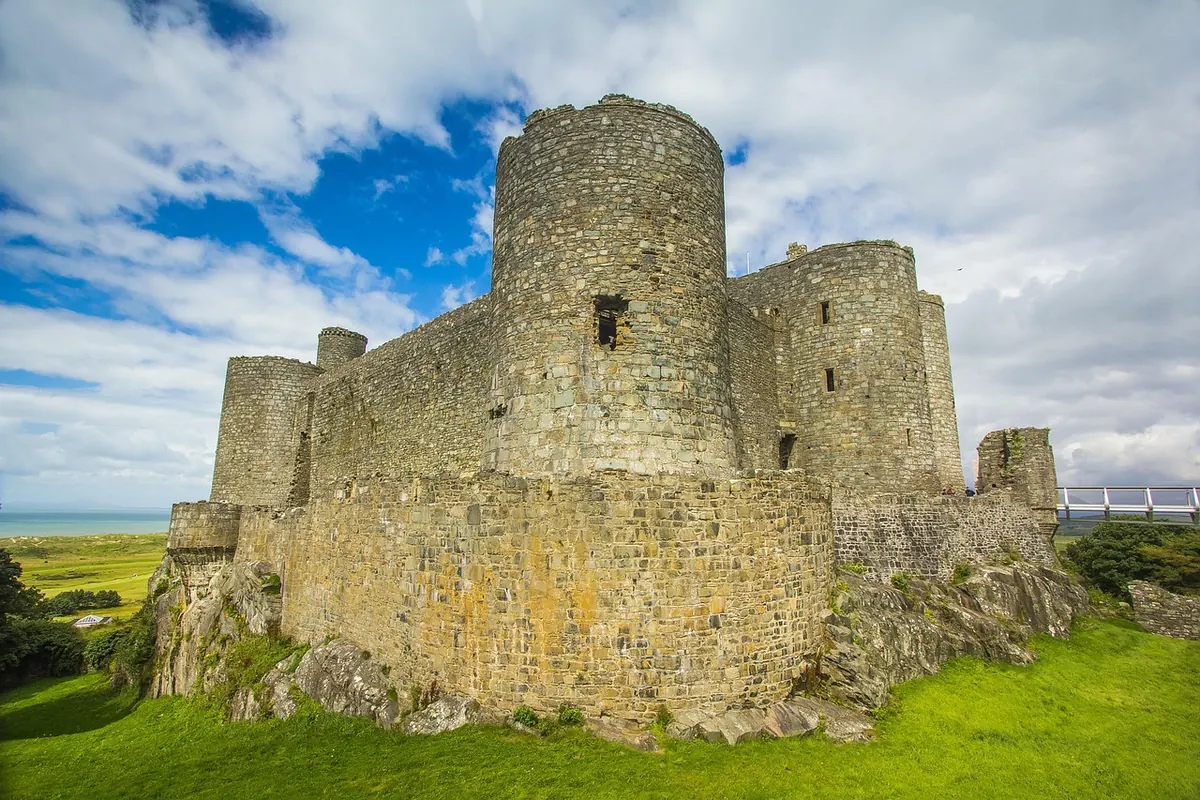
When the Albigensian Crusade broke the small courts of Languedoc, troubadours lost their audiences, their patrons...
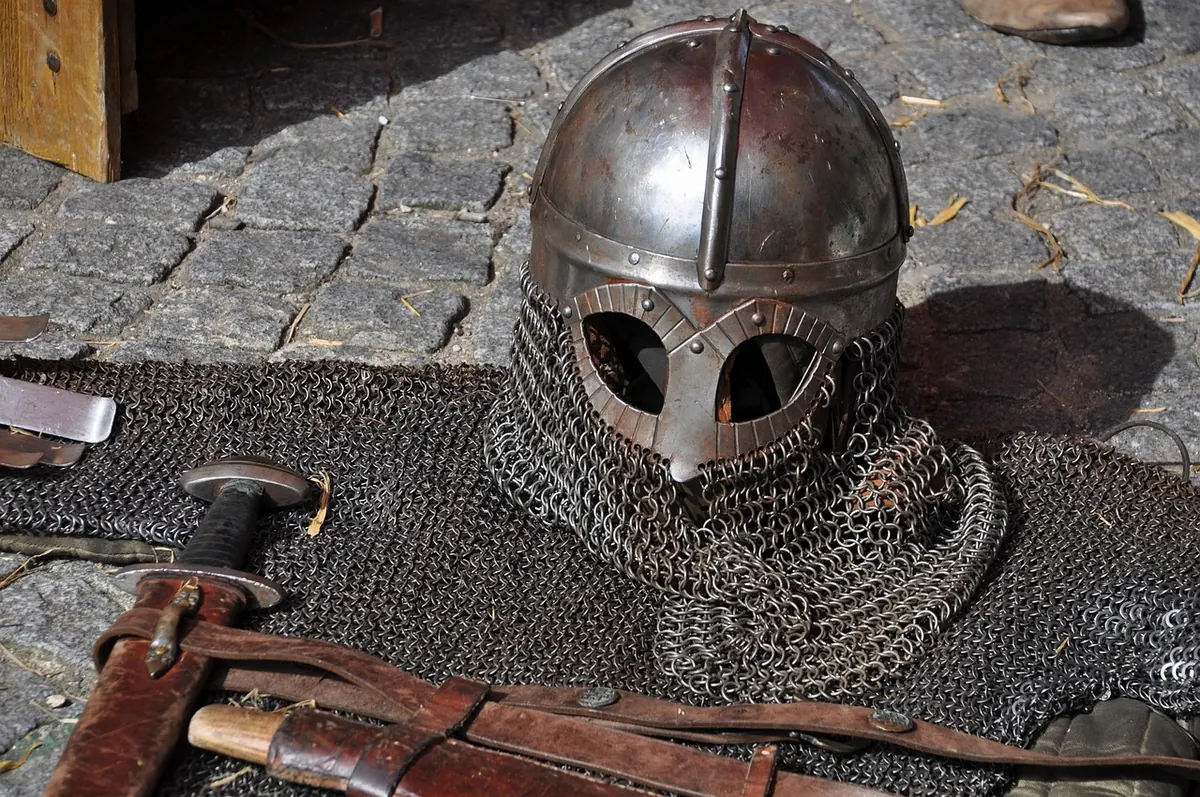
A practical packing checklist for medieval music festivals, covering instruments, repair kits, layered clothing,...
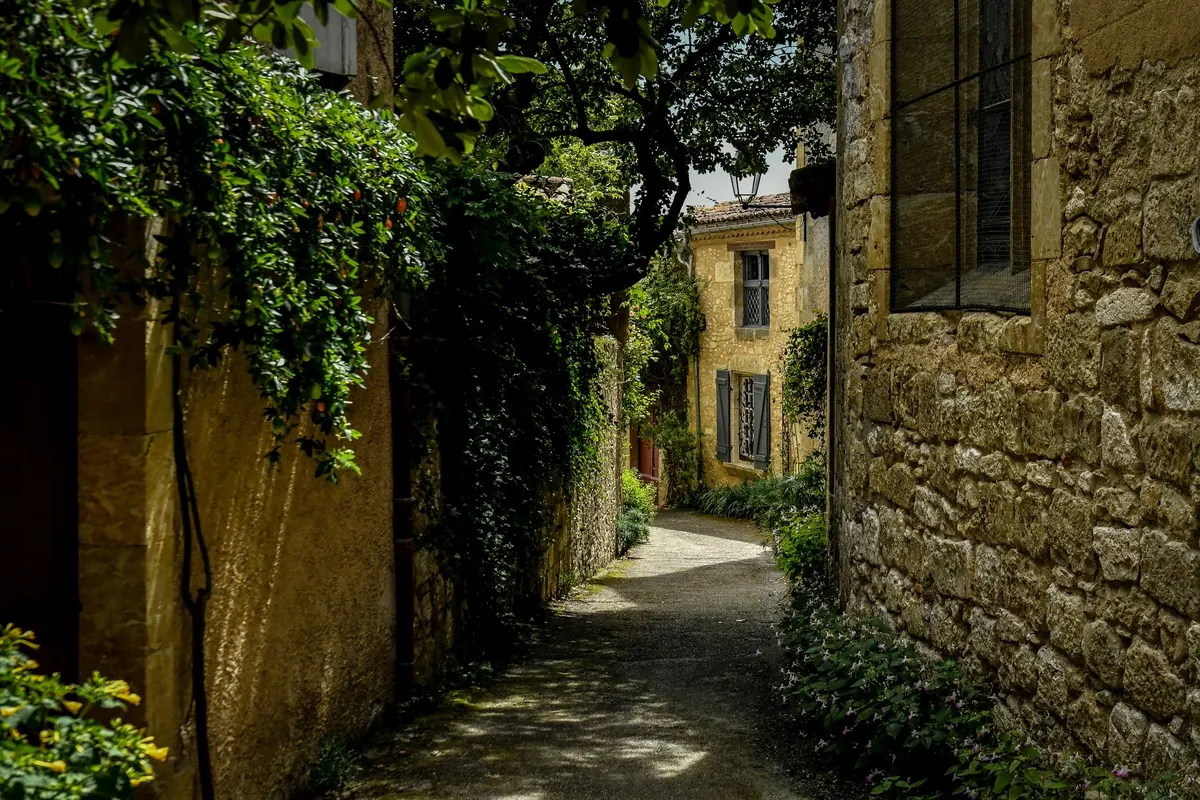
Seven towns and ruins in southern France where troubadour history actually happened, from Ventadour's castle to...

Daily songs and stories from a troubadour.
