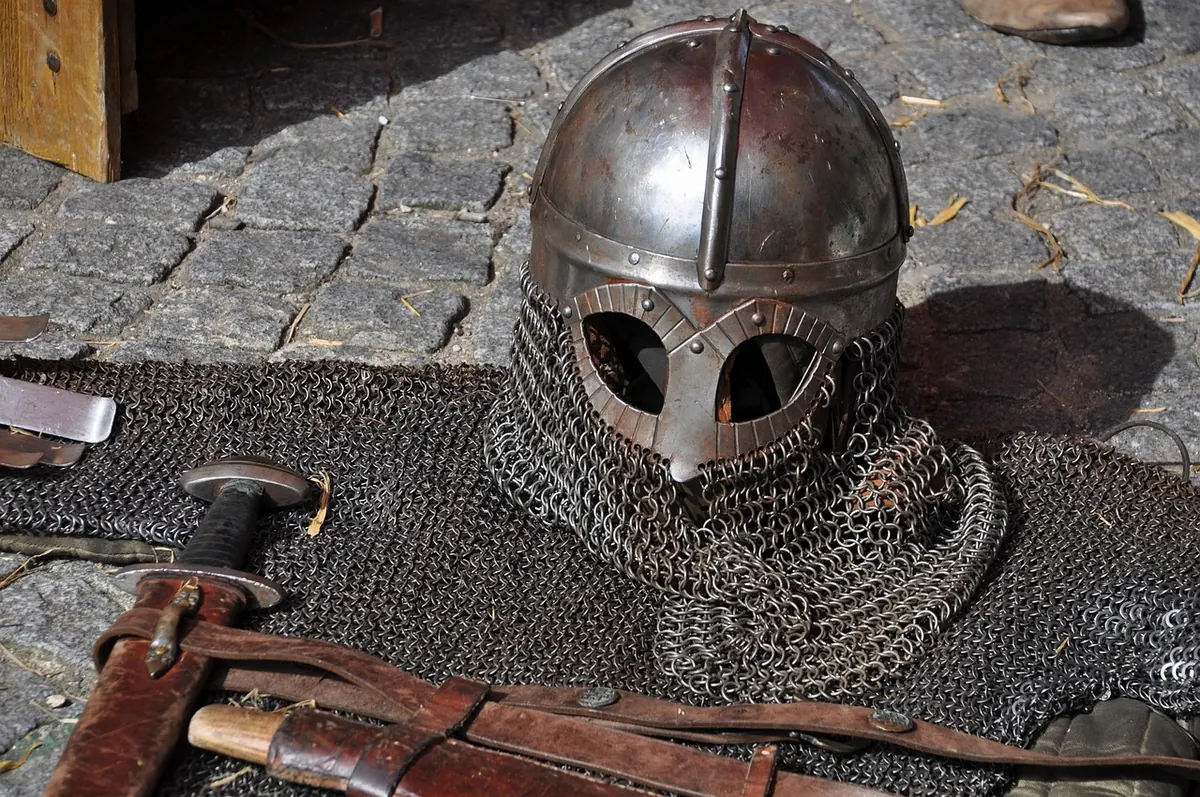
Checklist: What to Bring to a Medieval Music Festival
Medieval music festivals reward a certain kind of preparation. A day that begins with an instrument case, a linen tunic, and a short walk from the car park can end in a muddy field at dusk with cold fingers, a snapped string, and nowhere dry to sit. The difference between a memorable outing and a long, uncomfortable one is rarely the music. It is what you brought. This checklist is for performers and listeners alike: the fiddler with a noon set, the singer waiting for a workshop, and the fan who simply wants to hear a hurdy-gurdy without losing a shoe in the mud. Pack for the whole day, not just the concert. A performer with a midday set and an evening session has two different days inside one, and the listener who arrives at eleven and leaves after the last dance needs just as much planning. Build your kit around the longest, wettest, coldest version of the day rather than the sunny photograph you hope to take at noon.
Your instrument determines the rest of the packing. If you are performing, treat the case as if it must survive a car boot, a dusty path, a crowded tent, and a sudden shower. A hard case is ideal. A soft case needs a waterproof cover and a firm, dry place to sit — not the ground beside a beer tent.
Before you shut the lid, run through the spares that matter for your instrument. A generic kit is better than none, but instrument-specific extras save the day.
Wooden instruments dislike sudden changes. Do not leave a lute, vielle, or harp in a hot car or direct sun. In damp weather, keep a dry cloth in the case, close the case when you are not playing, and let the instrument acclimatise slowly. Gut strings are especially sensitive to moisture; a spare set and a dry towel are small insurance. Label the case with your name and a phone number, and put a card inside with your set times and a contact number.
If you are playing in a workshop or a session as well as a set, pack a second, smaller bag for the things you need between tunes: a pencil for marking music, a tuner if you use one discreetly, spare pegs or a capo where relevant, and a cloth that is not already soaked from wiping the ground. Keep the instrument out of direct sun even when the case is closed; a pale case cover or a light-coloured cloth over a dark case can make a surprising difference. In very dry weather, do not open a wooden case in full sun and then leave the instrument exposed while you queue for coffee. Small habits protect expensive things.
If you only remember one rule, make it this: the instrument goes where you go. Do not leave a lute, harp, or fiddle in a car that will become an oven by lunchtime, and do not assume a festival site is smaller than it looks on the map.
Costume photographs happen in the first hour. The rest of the day is about layers. Start with a linen or cotton base layer that handles sweat, add a light wool tunic or shirt, and keep a modern waterproof jacket within reach. Hidden modern layers are not cheating; they are what let you enjoy the evening concert instead of shivering through it.
Shoes deserve more thought than any brocade. Wet grass and gravel punish thin leather soles. Choose sturdy shoes with grip and support, break them in before the festival, and bring a spare pair of socks. A belt pouch is useful for a phone and a notebook, but keep keys and cards in a zipped inner pocket. Save heavy cloaks and elaborate headwear for the evening, when the temperature drops and the photographs are worth the effort. A broad-brimmed hat works for sun and rain; a wool cap works after dark.
Think in terms of a base layer, a middle layer, and a shell. A linen shirt under a woollen tunic will feel very different at noon and at nine in the evening; a light scarf or hood can be removed, tied at the waist, or pulled up against wind. Modern thermal leggings under a long tunic are invisible and sensible. Avoid trailing sleeves near instruments, and test the full costume at home with the instrument in your hands. A beautiful sleeve that catches a bow arm or a brooch that digs into a shoulder becomes a problem by the second tune. Keep jewellery simple and secure, and use hair ties, pins, and clips that will not vanish into grass. If your character calls for a cloak, bring it, but do not rely on it for warmth until evening; wool is heavy when damp and slow to dry.
Pack a lightweight waterproof jacket that can fold into its own pocket, and treat it as part of the costume rather than an admission of defeat. A dry performer is a better performer. For listeners, a waterproof layer over a linen tunic may look less photogenic at four o’clock, but it will keep you in the audience when the sky opens instead of running for the car.
Pack a small day bag that stays with you, separate from the tent or car. The goal is not to carry everything; it is to avoid walking back across a field for a plaster, a pencil, or a dry cloth.
Organise the bag so you can find things without emptying it onto the grass. Put water and snacks in an outer pocket, keep paper programmes and lyrics in a plastic wallet, and use a small dry bag for phone, charger, and cash. A tiny notebook is more useful than you expect: note the meeting point, the name of the workshop leader, the tune title, and the time your friend’s set begins. If you are performing, add a copy of your set list, a spare pencil, and a contact number for the event organiser. Keep the bag light enough to carry all day; a day kit that is too heavy becomes its own problem.
Festival food can be wonderful, but queues are longest exactly when you are hungriest, and the good stall may be at the far end of the site. Bring a backup snack even if you plan to buy lunch. Nuts, dried fruit, oatcakes, cereal bars, and apples travel well. If you have dietary needs, pack something you know you can eat rather than trusting that the one gluten-free stall will still have food at two o’clock. A small flask of soup or a hot drink can be a great morale boost in the late afternoon, especially if you are camping.
Water matters more than caffeine or alcohol. Fill your bottle before you leave, learn where the refill stations are, and drink before you feel thirsty. Performers should keep water at room temperature rather than gulping ice-cold drinks before singing. Eat steadily through the day: a festival is longer than a concert, and the last set is often the best. You do not want to be the performer whose voice goes at four o’clock because you skipped lunch, or the listener who runs out of energy before the evening candlelit concert. Treat alcohol as part of the day, not the fuel for it. If you are driving home, decide early and stick to it.
Medieval music festivals often happen on grass, in fields, under trees, or between old buildings, and weather can change fast. A waterproof groundsheet or a small tarp can turn damp grass into a place to sit. A sit mat is lighter, but a blanket is warmer for evening. Know where the indoor workshops and covered tents are before you need them. Pick a meeting point with your friends, write it down, and charge your phone before you leave. Mud will find every hem, so consider a simple hem weight, a hidden pin, or a costume that stops just above the worst of it.
A large scarf doubles as a blanket, a hood, a picnic cloth, and a way to carry small purchases back to the car. Clip your programme to your bag so it does not become a paper kite in the wind. If the site bans umbrellas in crowded areas, use a hood and a waterproof hat instead. Do not sit directly on cold ground for long; cold rises, and a dry mat makes the difference between staying for the last piece and leaving early. A bin bag is a famous cheap rain cover for a rucksack, but a proper dry bag is better for phones, instruments, and spare socks. Finally, check the forecast the night before and again in the morning, then pack for the forecast you fear rather than the one you hope for.
The best festival kit is the one you know how to use. Pack the night before, test the instrument case, walk around the garden in the shoes, and put the day bag by the door with your programme and ticket. A little preparation will not make the music better, but it will keep you warm, dry, fed, and present for it — and that is usually the whole point.
Photo: NadineDoerle / Pixabay

When the Albigensian Crusade broke the small courts of Languedoc, troubadours lost their audiences, their patrons...
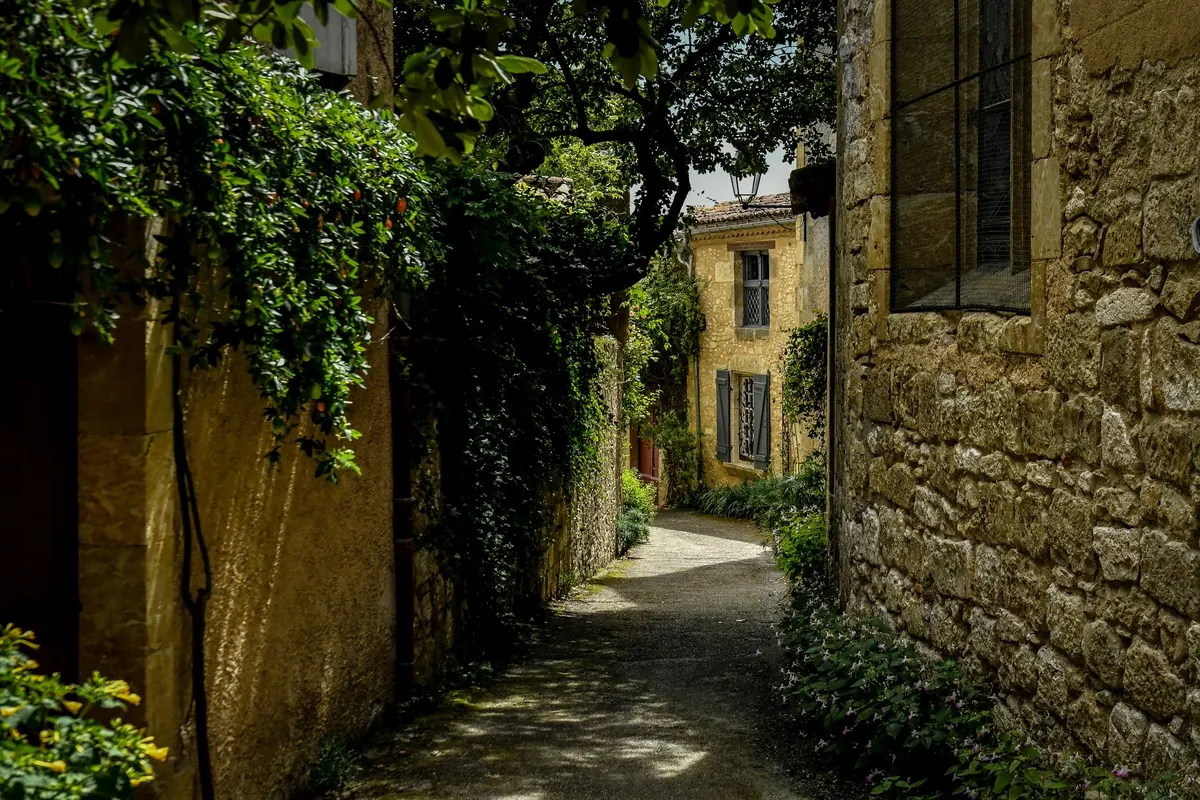
Seven towns and ruins in southern France where troubadour history actually happened, from Ventadour's castle to...
The spring opening was the troubadours' signature move: birds, leaves and May weather set the stage before the poet...

Daily songs and stories from a troubadour.
