
A canso is not a poem with a tune bolted on at the end. In the Occitan tradition the words and the melody were made as one object, which is why the form still has something to teach anyone who writes songs now: the stanza has a job, the rhyme has a job, and the tune has a job, and none of them is decoration. Here is a working method — theme, then frame, then stanza, then melody — that you can carry through in an afternoon and revise for a month.
Troubadour love poetry has a reputation for abstraction, and the weaker pieces earn it. The strong ones usually open with something the poet could actually see: a lark rising, a garden thawing, hoarfrost on a branch, a road where the lover used to pass. Bernart de Ventadorn starts his most famous song with the bird:
Can vei la lauzeta mover / de joi sas alas contra·l rai
“When I see the lark beat its wings for joy against the sun’s ray.” The lark is not scenery. It is the argument: the poet watches something weightless and free, then measures his own heaviness against it.
So find the look before you write a line of verse. Not “unrequited love,” but the moment she crossed the yard and did not turn her head. Not “the passing of time,” but the fig tree that has stopped fruiting. If an image can be seen, it can carry six stanzas. If it is only a mood, it will be thin by the second one.
Occitan poets treated the stanza as a container with fixed dimensions, and the discipline is the point. Write these decisions at the top of the page and do not negotiate with them later:
A six-line cobla with three rhyme sounds is a good place to start: A B A B B C. Lines one and three answer each other; lines two, four and five share a sound; line six stands free, closing the stanza and often picking up the tornada. The Occitan handbooks — the Leys d’Amors, compiled at Toulouse in the fourteenth century — list far more elaborate linking devices: coblas capfinidas, where the last word of one stanza reappears in the first line of the next; coblas doblas, where the rhyme sounds change every two stanzas. Treat those as ornaments. Get a plain stanza working first.
Write the first stanza slowly and let it set the pattern for every stanza after it. Here is a sketch in that A B A B B C shape, eight syllables to the line:
The frost has settled in the cold, / the miller’s wheel is standing still; / a woman at the well is old / and crows are calling on the hill. / I keep my patience and my will / and nothing stays the way it was.
Count the beats as you read it and you will hear the frame doing its work. Every later stanza repeats those six shapes exactly; only the rhyme sounds return, not the words. If a line will not fit, change the line, not the frame — the frame is what makes the song sound like a song rather than a paragraph with line breaks.
Nothing kills a canso faster than six stanzas saying one thing in different weather. The tradition tends to advance: the second cobla complicates the opening image, the third addresses the lady, the fourth names an obstacle — the lauzengier, the gossips, the watcher at the window — the fifth admits distance, and the tornada sends the song off with a direct request. Write a one-line prose summary in the margin beside each stanza: what does this one add? If two margins say the same thing, rewrite one of them before you touch a single rhyme.
Most surviving cansos that keep their music use a two-part shape. The opening lines are set to a pes, a short melodic phrase, which is then repeated note for note for the next group of lines. The remainder of the stanza is the cauda: new music, often set higher or lower, that turns the stanza toward its close. Two pedes plus a cauda is the classic arrangement. Some poets preferred oda continua, through-composed music with no repetition at all, which is more agile and much harder to remember.
The practical consequence matters: let the rhyme change where the music changes. If lines one and two carry the same tune, they should probably answer each other in sound. When the cauda begins, move the rhyme somewhere new, and let the free final line land on a long note. A listener who has never heard the word cauda still hears the turn.
Work without accompaniment, in a scale you can sing comfortably. Make the first phrase four bars long and end it on a note that feels unresolved. Sing it again for the second phrase and end the same way — that is the pes, twice. For the cauda, start on a different degree, climb, then descend to a sustained note under the final line. Keep the whole stanza under a minute. Record it on your phone, sing the text over it, and watch for the place where you run out of breath: if it falls mid-line, the line is too long.
Reading a canso silently hides everything wrong with it. Sing the stanza through, badly, twice. Mark the breaths. Any line that forces a gulp in an awkward place should lose a word — nearly always an adjective. Then check the rhymes by ear: if you have to bend a vowel to make two words match, either change one of them or repeat the same slant in every stanza, so it sounds like a choice rather than a mistake.
Last, test the finished song against its first image. The lark, the frost, the well — does the final stanza still know about it? A canso that forgets its opening image and ends in general lament has abandoned the argument it started.
Work through this in order, in one sitting if the day allows:
Then leave it for a week. When you return, read the whole thing aloud once before changing anything. The line that makes you wince is the one to fix, and the image that still has heat in it is the one to build the next song around.
Photo: Engin_Akyurt / Pixabay

When the Albigensian Crusade broke the small courts of Languedoc, troubadours lost their audiences, their patrons...
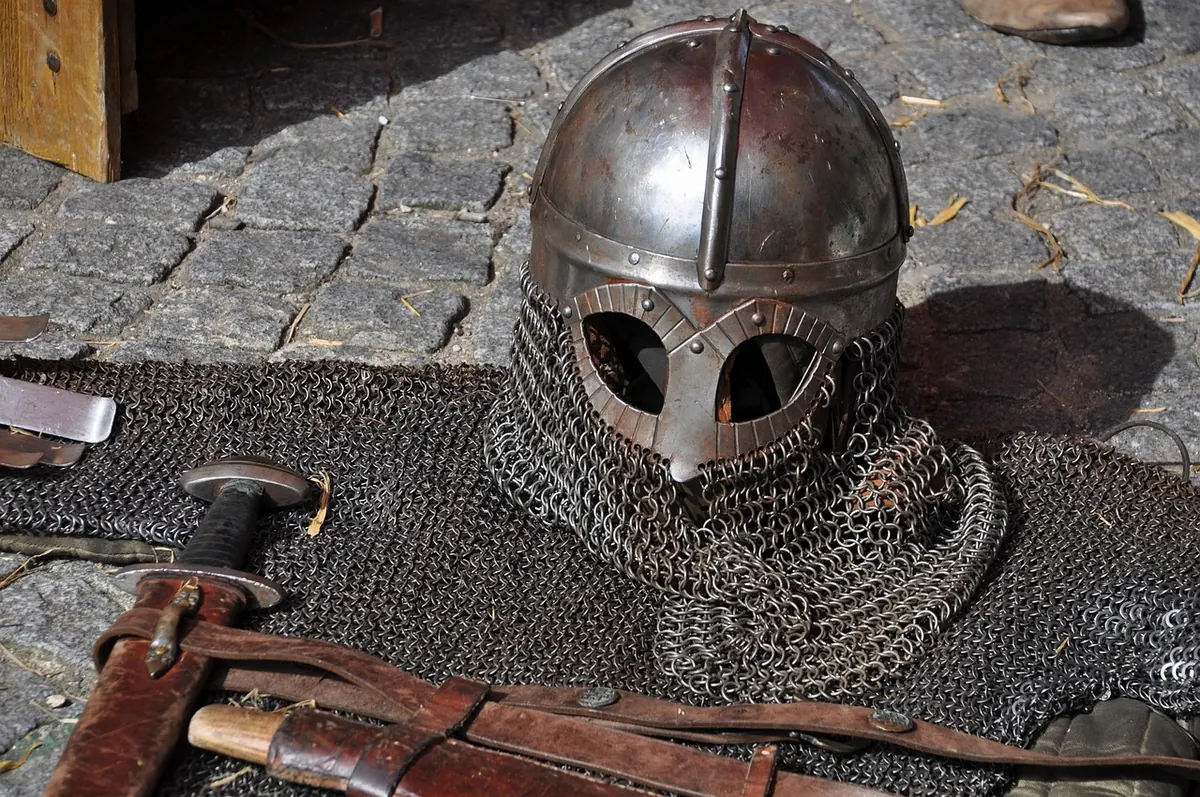
A practical packing checklist for medieval music festivals, covering instruments, repair kits, layered clothing,...
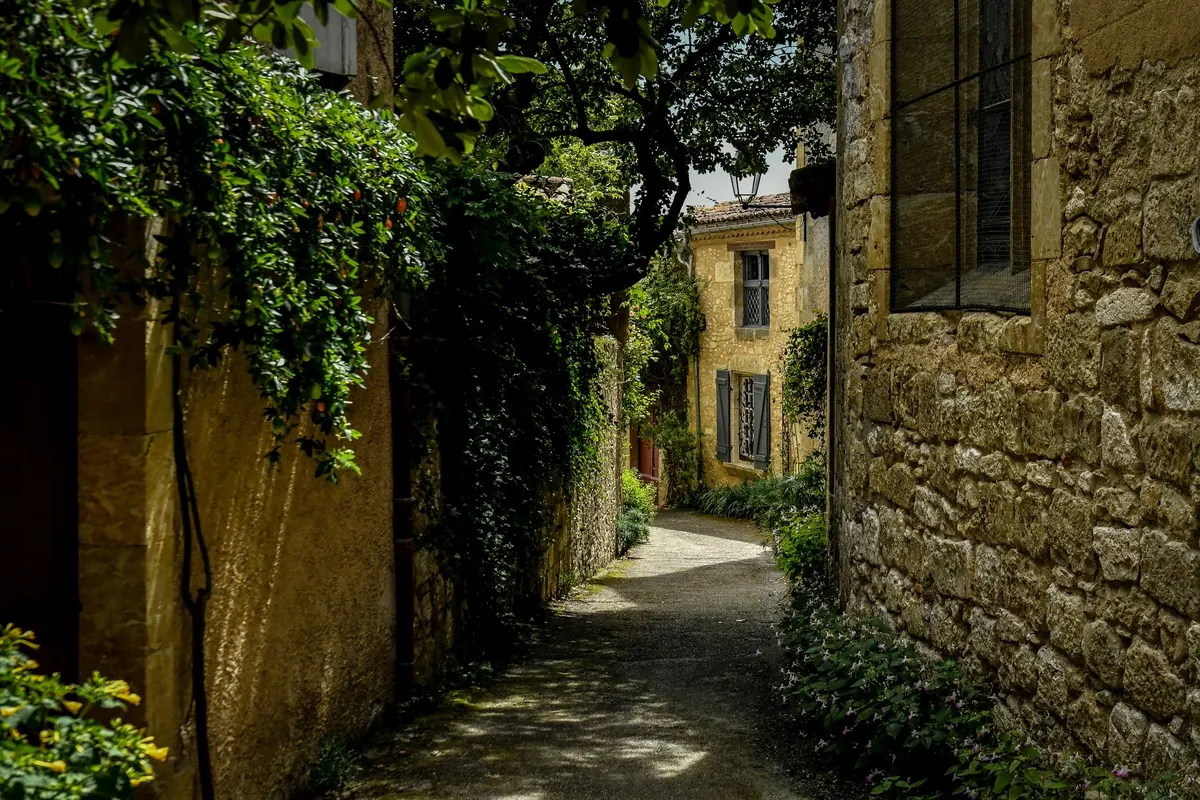
Seven towns and ruins in southern France where troubadour history actually happened, from Ventadour's castle to...

Daily songs and stories from a troubadour.
