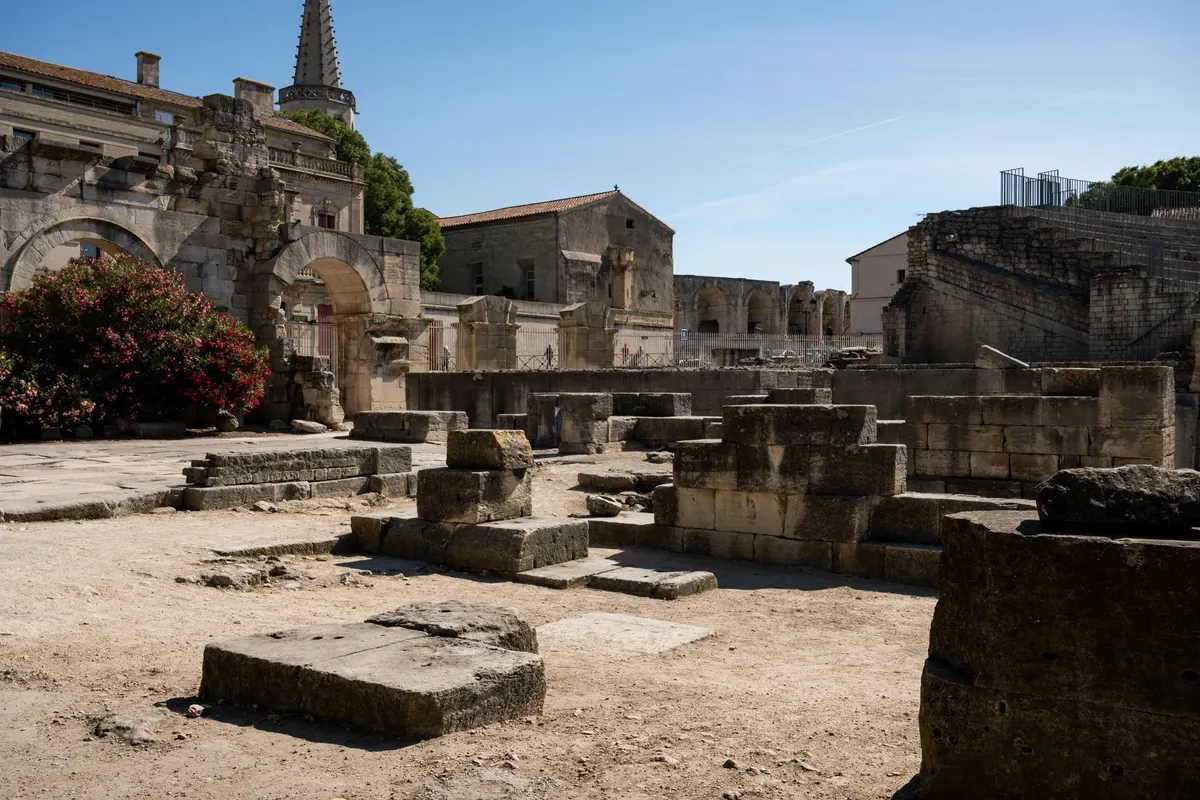
Say the word troubadour and most people picture a man in a feathered hat strumming beneath a balcony. The reality is stranger and more interesting. Between roughly 1100 and 1300, in the courts of what is now southern France, a few hundred poets wrote and sang in Occitan — a Romance language closer to Catalan than to the French of Paris. They called themselves trobadors, and the poetry they invented, full of desire, irony and self-examination, travelled north into France, east into Italy and Germany, and never quite disappeared.
Trobador comes from the Occitan verb trobar: to find, to invent, to compose. A troubadour was a maker first and a performer second. That distinction matters, because it tells you what these people thought they were doing. They were not entertainers hired by the hour. They were crafters of language, and they knew it — many of them wrote about their own technique with real pride.
Two terms come up constantly in their work. Trobar clus, "closed" composition, meant dense, deliberately difficult verse full of obscure allusions. Trobar leu, "light" composition, meant a clear, graceful style almost anyone at court could follow. A poet's reputation often rested on which camp he chose, and the argument between the two was lively enough to become a subject of songs in its own right.
Women wrote in this tradition too. The feminine form is trobairitz, and around twenty are known by name — noblewomen mostly, writing with a frankness about desire that still startles. And keep one more figure separate in your mind: the joglar, or jongleur. Jongleurs performed, sometimes other people's songs. Troubadours composed. The two roles overlapped, but they were not the same job.
The first troubadour whose work survives is William IX, Duke of Aquitaine, who died in 1126. He was a powerful lord, twice excommunicated, and his surviving poems swing between coarse bawdy and genuine tenderness. That range is a useful reminder: this was never a single tidy movement with a manifesto.
Occitania was not a country but a patchwork of courts — Aquitaine, Toulouse, Provence, Foix, the small viscounty of Ventadorn — loosely bound by a shared literary language. That fragmentation helped. A poet who wore out his welcome with one patron could ride a few days and find another.
William's granddaughter, Eleanor of Aquitaine, married first the King of France and then the King of England, and carried the taste for this poetry with her. In the north of France, poet-composers in the langue d'oïl adopted the style and were called trouvères. German poets developed their own version, the Minnesang. Related traditions, different languages, same basic impulse.
Here is where beginners often get stuck, because the social range is wider than expected. Some troubadours were great lords. Many were not. A skilled composer with a good voice could earn a patron's favour, a horse, a winter's lodging and something like a career — but only if a court would have him.
The pattern is worth noticing: birth helped, but craft decided. A patron wanted prestige, entertainment and a voice that could praise him in public. A clever poet from a modest family could supply all three.
The centrepiece was fin'amor, refined love: the singer positions himself as a devoted servant to a lady who outranks him in every way and who may never reward him. Modern scholars coined the phrase "courtly love" for this; the medieval poets themselves talked about joi (joy), mezura (measure) and the discipline of wanting carefully.
It is easy to read all this as pure fantasy. Some of it surely was — the point of the pose is that it lets the poet talk about himself, about patience, ethics, failure and hope. The lady often has less to say in the song than the singer does.
But love was only one mode. The main genres are worth knowing:
Songs were heard before they were read. Performance was normally a single melodic line, probably with instrumental support, in a hall, a garden or a town square. Nobody wrote down the exact performance practice, so modern recordings are informed guesses — good ones, but guesses.
What survives is a fraction. Well over two thousand poems are known, and only a few hundred carry their music. They come down to us in chansonniers, songbooks copied in the thirteenth and fourteenth centuries, often in Italy as well as in southern France. Many entries include a vida or razo: a short, gossipy biography of the poet or explanation of the song. Treat those with mild suspicion. They read like liner notes compiled decades later, and some were invented to explain a difficult poem.
The troubadours are usually described as the inventors of European love poetry, and that is not far off. More precisely, they were the first to give poets a professional voice: a personal tone that could be funny, bitter, tender or self-mocking, and that could switch between those moods within a single career.
They were also political. A sirventes delivered to a hall full of a lord's allies was publicity, and everyone understood it as such. The tradition declined partly because its world did: the Albigensian Crusade of 1209 to 1229 broke the southern courts that had paid for the music, and later French administrative policy pushed Occitan out of official use. The language survived in villages, and its literary reputation kept travelling — Dante wrote of troubadours and even composed a poem in Occitan.
You do not need a university course to get inside this music. Begin with a few concrete steps.
If you travel through southern France, keep the geography in mind as you go. The ruins of Ventadorn's castle sit in the Corrèze; the streets of Toulouse and Carcassonne carry a history older than the tourist versions suggest. The songs were made for rooms and gardens like the ones you are walking past — small, local, and far more personal than the word "troubadour" usually implies.
Photo: Bingqian Li / Pexels
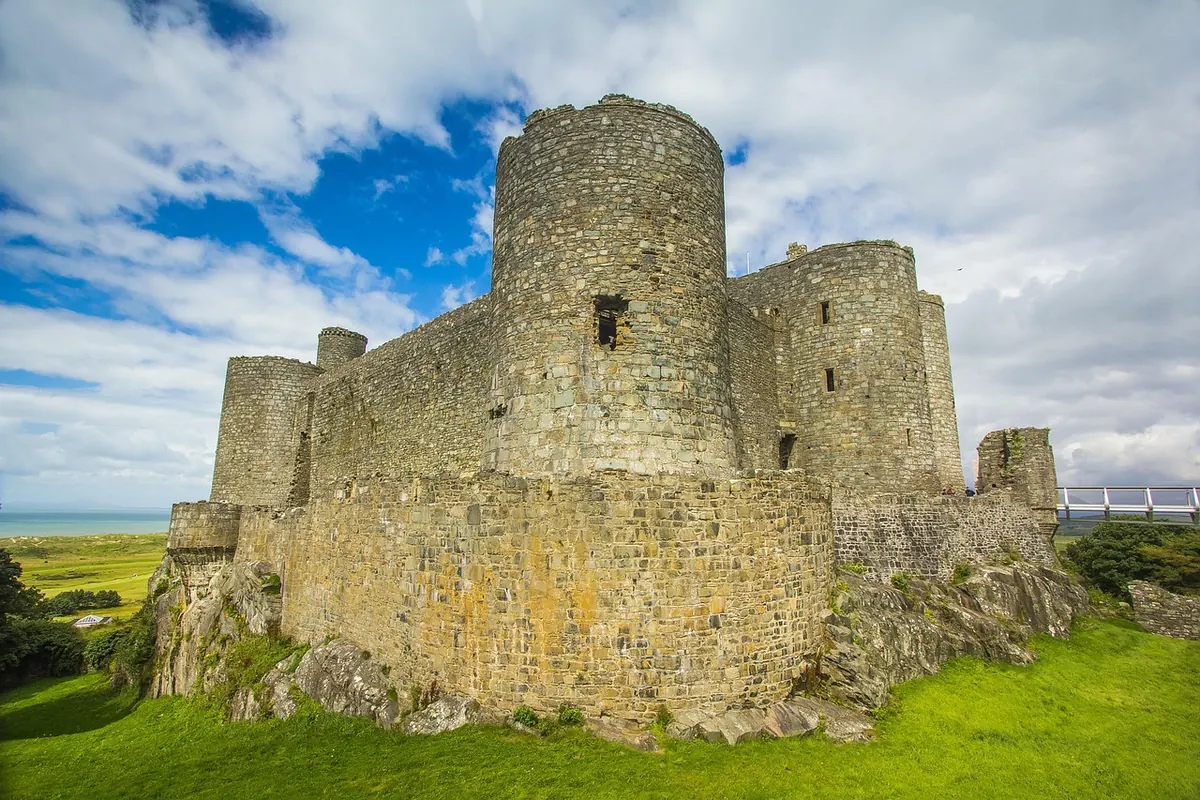
When the Albigensian Crusade broke the small courts of Languedoc, troubadours lost their audiences, their patrons...
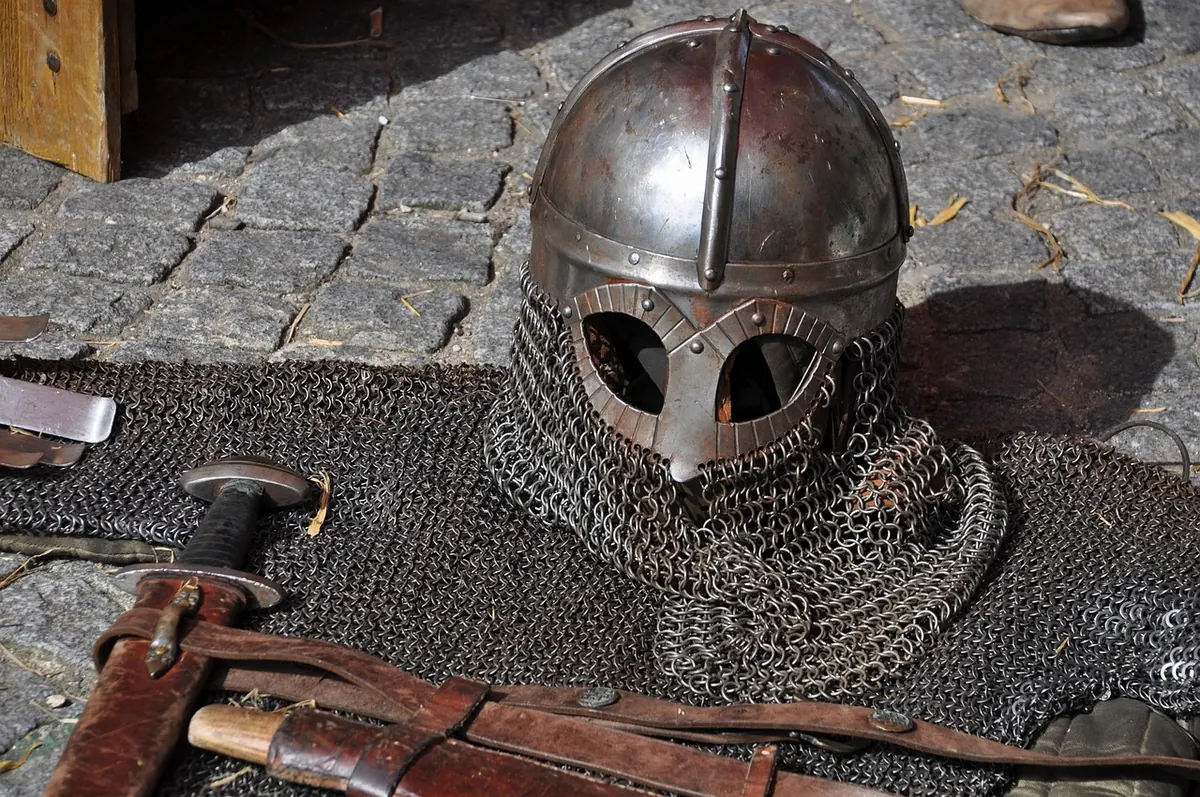
A practical packing checklist for medieval music festivals, covering instruments, repair kits, layered clothing,...
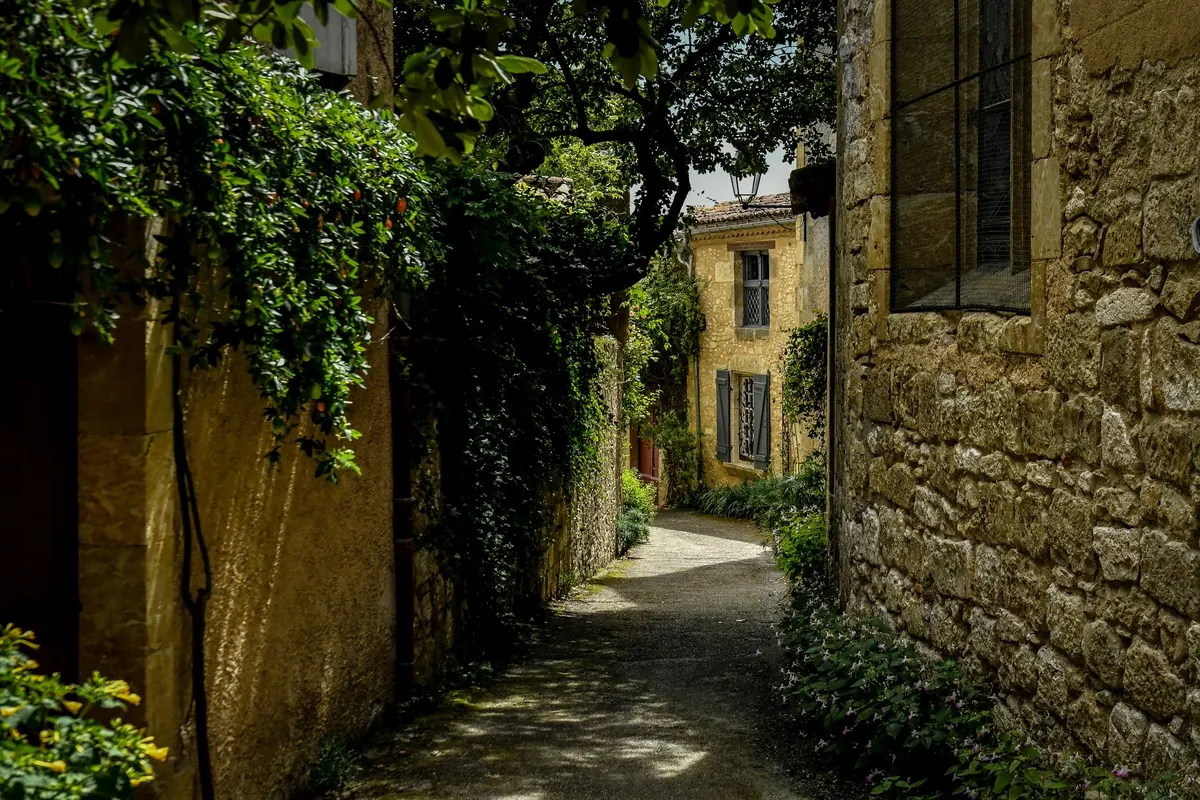
Seven towns and ruins in southern France where troubadour history actually happened, from Ventadour's castle to...

Daily songs and stories from a troubadour.
