Every troubadour song begins with a decision most listeners never hear. Before the first rhyme was found, the poet chose a shape: a form with its own length, its own rhyme pattern, and its own emotional register. A poet who wanted to complain about a stingy lord did not write a love song with an attitude problem; he reached for a sirventes and let the form do half the arguing. A poet who wanted to stage a roadside argument with a shepherdess reached for a pastorela instead.
That is the useful thing about troubadour genres. They are not museum labels pinned on poems after the fact. They were working tools, chosen the way a modern songwriter chooses between a ballad and a twelve-bar blues. Learn the three central forms and the repertoire stops looking like an undifferentiated wall of Occitan verse.
Troubadour poems are built from coblas — stanzas — each with a fixed syllable count and rhyme scheme. In performance, the words (motz) were carried by a melody (son), and the two were composed together, though most poems now survive without their music. That loss matters less than it might seem: the stanza shapes themselves still tell you what kind of song you are reading.
Two features are worth recognising on sight. First, rhyme sounds often carry across stanzas, linking a stanza's ending to the next one's beginning in patterns medieval writers catalogued with great care. Second, many poems close with a tornada — a short half-stanza, often a single rhyme pair, that sends the song to its recipient: a patron, a lady, a friend, sometimes a rival. The tornada is the closest thing troubadour verse has to a signature, and it frequently reveals who the poem was really for.
The canso is the grand form, the one most people mean when they say "troubadour song." It is the vehicle for fin'amor, the courtly love that treats desire as a discipline rather than a mood. The poet praises, waits, hopes, and complains about hope, usually in that order.
Bernart de Ventadorn's famous canso beginning Can vei la lauzeta mover shows the machinery at work. The lark rising and then dropping, forgetting itself in the joy of flight, becomes an image of the poet undone by the sight of his lady. The bird is not decoration. It is the argument.
Mood: controlled longing. The canso rarely explodes. Its power comes from restraint, from the sense that the singer has been holding this posture for a long time and will keep holding it. When you read one and feel impatience, that is often the point — the form is built to make waiting audible.
The sirventes is the troubadour form for everything the canso leaves out: politics, war, moral scolding, slander, and the settling of personal scores. Its defining habit is musical. The poet took a melody everybody already knew — often a love song — and fitted new words to it, a practice later called contrafactum. The audience heard a familiar tune and received a completely different message. It is a technique close to modern parody, except the target was usually a named living person.
Bertran de Born's Be·m platz lo gais temps de pascor opens like springtime and turns, within a few lines, into a celebration of armies, horses, and the pleasing sight of men cut down in the field. The spring opening is a borrowed convention, used deliberately: the audience expects a love song and gets a war song instead.
Mood: anger, mockery, urgency, sometimes savage humour. The sirventes also served serious purposes — urging a campaign, mourning a failure, rebuking a lord who had stopped paying. Because it could name names, it is one of our richest sources for the politics of the period. Read a sirventes and you are reading a poem written to do something to someone.
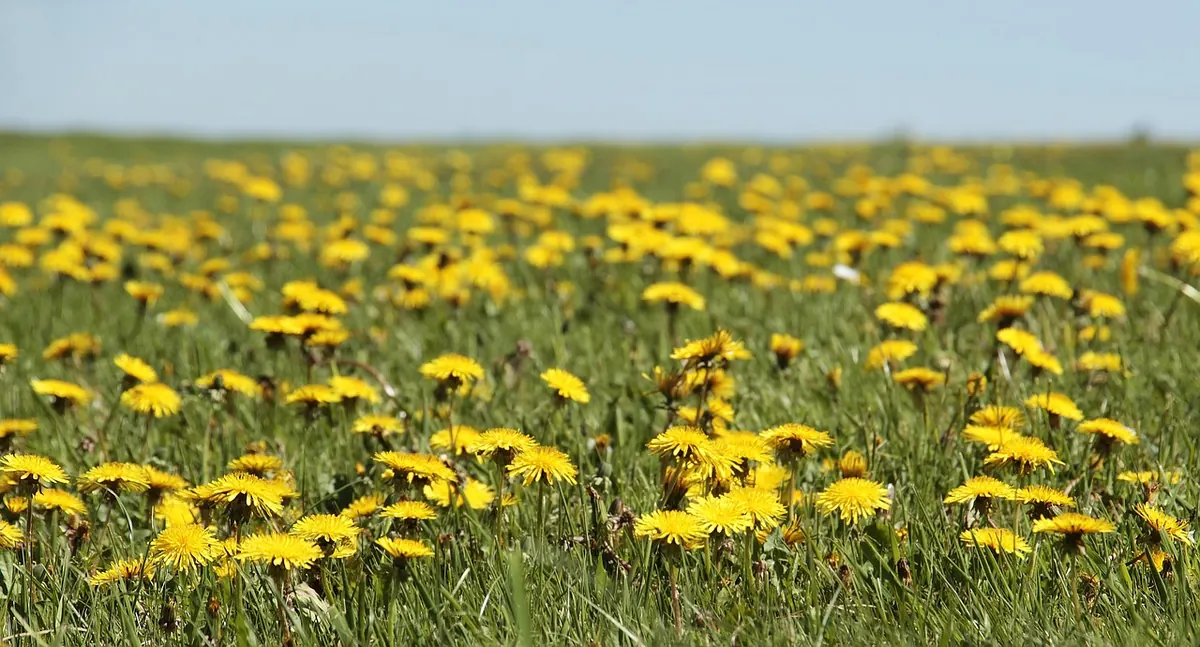
The pastorela sets a scene rather than a mood. A knight, riding out, meets a shepherdess. He makes his case; she answers. The poem is a dialogue framed by a narrator, usually opening with a line like L'autrier — "the other day" — which plants the whole thing in a deliberately ordinary countryside.
Marcabru's L'autrier jost'una sebissa is one of the earliest and still one of the best. A knight approaches a girl herding flocks under a hedge and gets rather more than he expected: she is quick, sardonic, and entirely unimpressed by courtly manners. The joke is structural. The knight brings the vocabulary of fin'amor to a pasture, and the pasture wins.
Mood: comic, earthy, and often quietly subversive. Pastorelas run four to seven stanzas, alternating speeches, and the shepherdess frequently gets the last word — a reversal that would have been unthinkable in the canso. If you want to know what troubadour poets thought of their own conventions, this is where to look.
Once you know the three, the rest of the repertoire sorts itself quickly. Two more forms are worth carrying alongside them: the alba, a dawn song in which lovers part and a watchman warns of daylight, and the planh, a formal lament for a dead patron or prince. The tenso, a debate between two poets, sits somewhere between the canso and the sirventes in tone.
A rough map, useful when you meet an unfamiliar poem:
None of this requires Occitan, though a bilingual edition helps enormously. What it requires is attention to shape. The troubadours were craftsmen who believed the container shapes the feeling, and a thousand years later that belief still reads clearly on the page. Choose the right form, and the song starts working before the first line is finished.
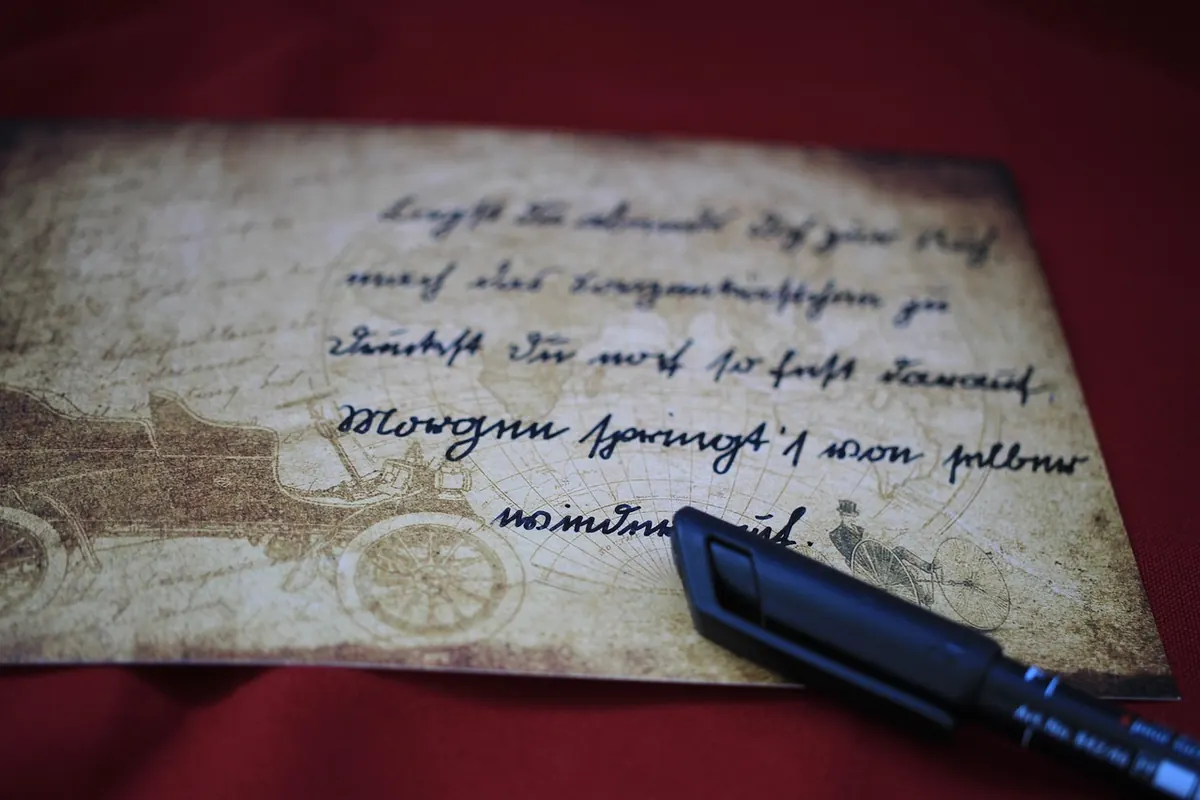
Photo: Carola68 / Pixabay
When the Albigensian Crusade broke the small courts of Languedoc, troubadours lost their audiences, their patrons...
A practical packing checklist for medieval music festivals, covering instruments, repair kits, layered clothing,...
Seven towns and ruins in southern France where troubadour history actually happened, from Ventadour's castle to...

Daily songs and stories from a troubadour.
